 by Carla1
Tradition of day of the dead
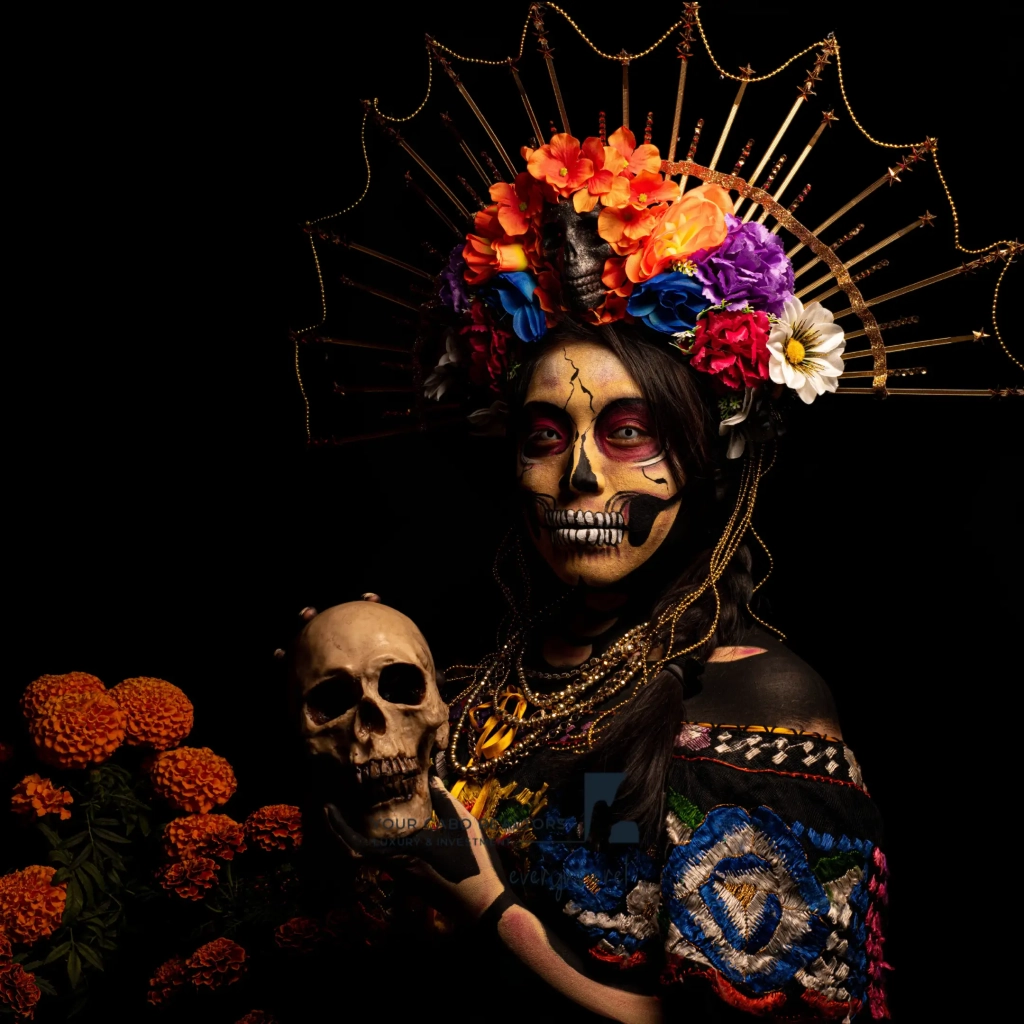
The Day of the Dead is a Mexican tradition that honors loved ones who have passed away, celebrated on November 1 and 2. This holiday combines pre-Hispanic roots with elements of Catholicism introduced during the colonial era and is recognized by UNESCO as Intangible Cultural Heritage of Humanity.
The most characteristic elements include:
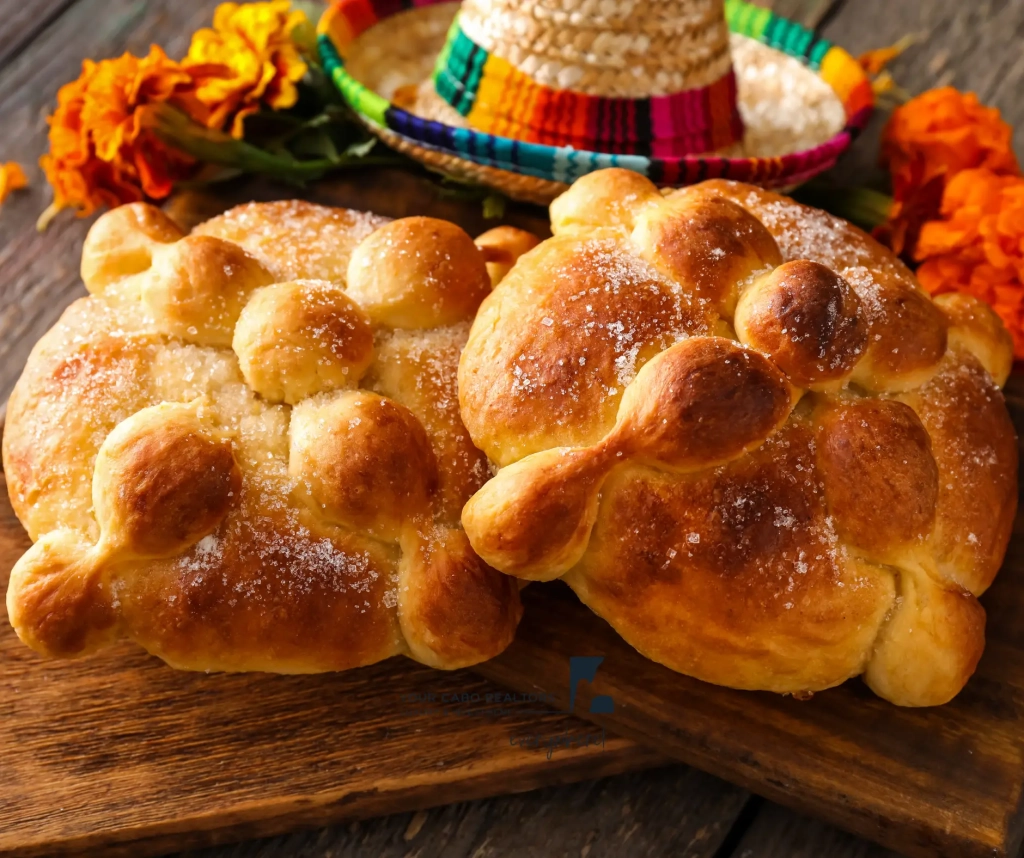
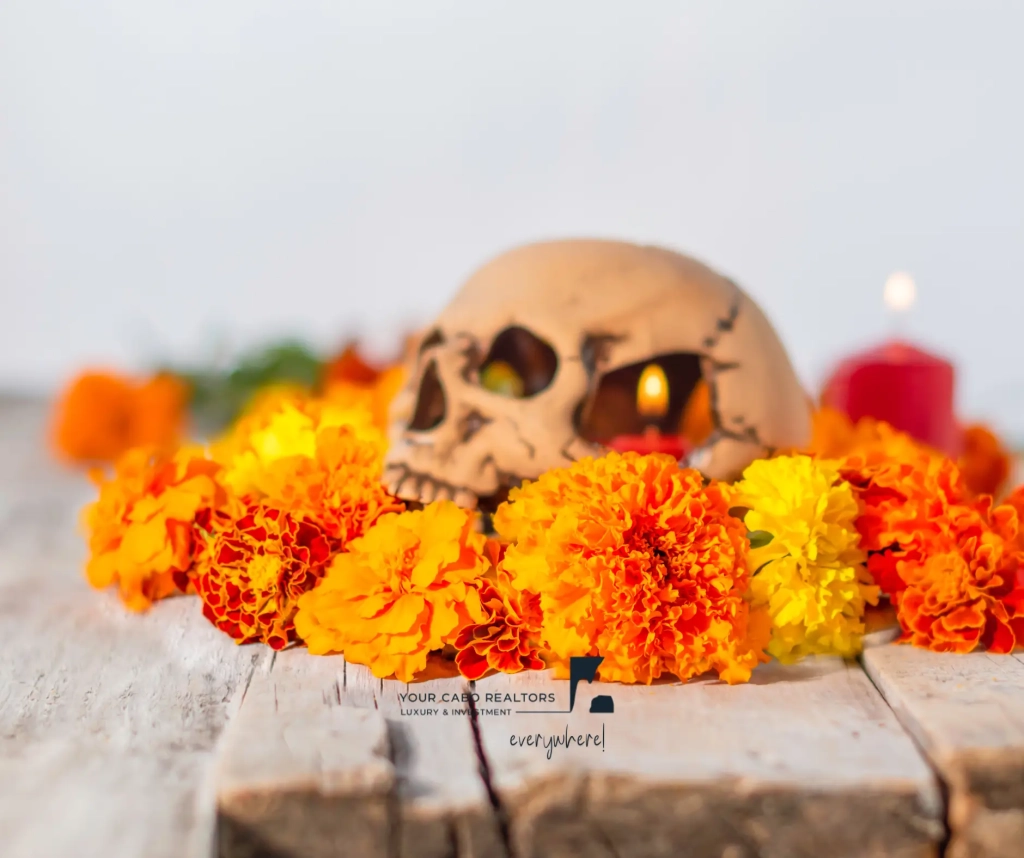
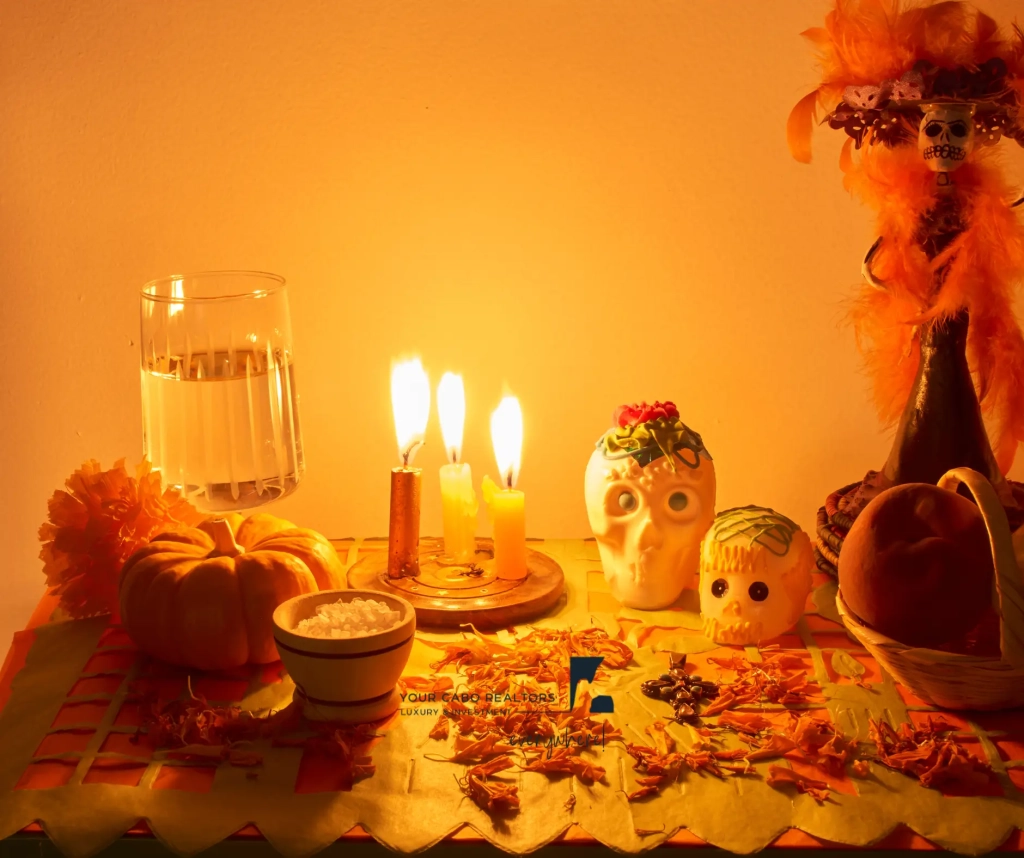
Altars and offerings: These are prepared in homes, cemeteries, and public spaces. Altars usually have photos of the deceased, candles, cempasúchil flowers, pan de muerto, the deceased’s favorite food and drink, and personal objects. Each element has a meaning; for example, candles guide souls and flowers symbolize the brevity of life.
Calaveras: Sugar skulls and literary skulls (humorous poems about death) are iconic. Sugar skulls bear people’s names and remind us that death is a natural part of life.
Visits to cemeteries: Many families go to cemeteries to decorate the graves, pray and spend the night together, as it is believed that during these days the souls return to share moments with their relatives.
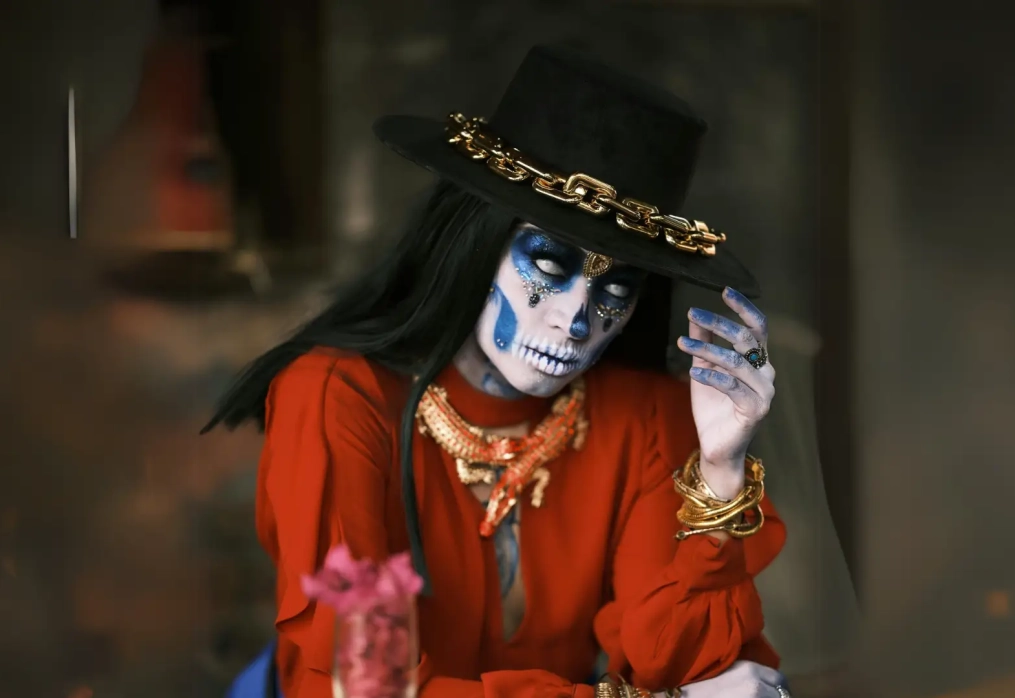
Catrinas: The skeletal and elegantly dressed figure of La Catrina represents the Mexican vision of death, not as something somber, but as a natural event that deserves celebration and respect.
The Day of the Dead is a vibrant celebration that mixes respect, affection and humor, highlighting a unique vision of death as a natural transition in the cycle of life.